There's a conversation I find myself having in clinic, again and again. A parent comes in. Their child is struggling. They have difficulty concentrating. Emotional outbursts that seem to come from nowhere. Sleep that's all over the place. A little body that feels reactive, unsettled, hard to read.
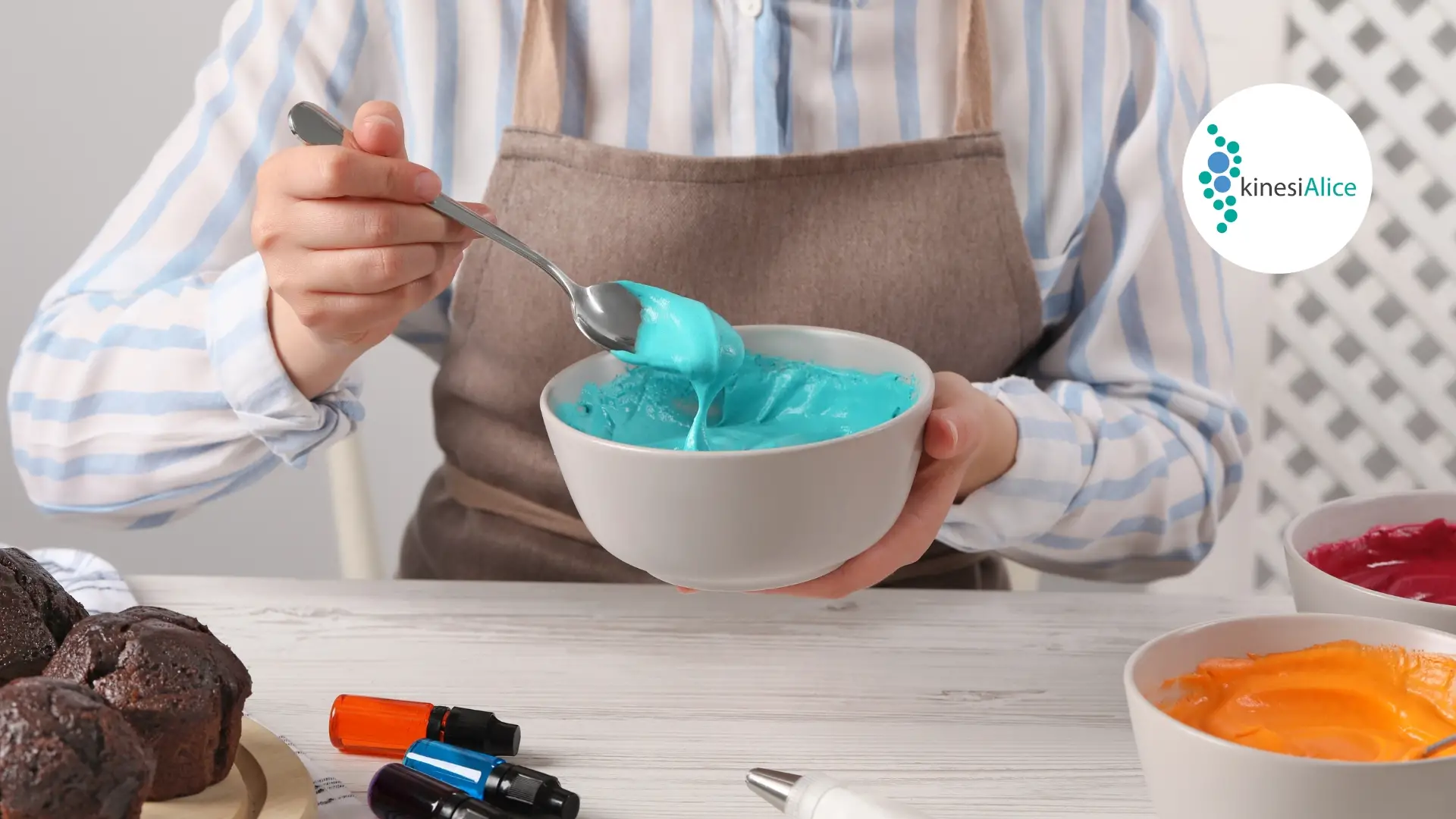
First. What Are Food Additives?
Food additives are substances added to food during processing or packaging. They serve a function, preserving shelf life, enhancing colour, improving texture and ntensifying flavour.
Some are naturally derived, but any are synthetic. All of them are approved for use in Australia by Food Standards Australia New Zealand (FSANZ). Approved, yes. But that doesn't necessarily mean harmless for every body. Often approved in Australia when banned overseas.
The Food Intolerance Network, founded by Sue Dengate, has been documenting the effects of food additives on behaviour and health for decades. Their research, and the thousands of family reports they've collected, paint a clear picture. For sensitive individuals, particularly children, certain additives can have a significant impact on the nervous system, behaviour, mood, and physical health.
Personal Story
I know this topic from the inside.
I had no idea how much food additives were affecting my child until I started removing them after attending one of Sue’s talks. And then I couldn't ignore it.
Food colours, particularly red and blue, made them hyperactive and silly. MSG made them argumentative and irritable in a way that felt completely out of character. Preservatives seemed to trigger either reaction, or both.
One experience stands out clearly.
There is a natural food colouring called annatto, numbered 160b. It's derived from a plant and often appears in "natural" or even organic products. Things like ice cream, butter, yoghurt and cheese. It looks innocent, and natural. But for some children it can trigger a very specific response - head banging.
This happened to us.
My aunty didn't believe me. So she gave my child an ice cream containing annatto without telling me. Within thirty minutes, the head banging started.
She believed me after that.
We avoided additives as strictly as we could for years. And gradually, as my child grew, the sensitivity eased. As an adult, the reactions are much less pronounced. Their body changed, their nervous system matured, and obviously they were physically bigger.
But those early years taught me something I have never forgotten.
What goes into a body shapes how that body behaves. How it feels. How it copes. And children deserve the chance to find out who they really are, without the interference of chemicals they were never designed to process.
This is why I talk about food additives. Not from a textbook - from lived experience.
The Additives Most Linked to Behaviour and Learning
Not all additives are equal. These are the ones that come up most consistently in the research and in clinical practice.
Artificial colours
Numbers to know: 102, 104, 110, 122, 123, 124, 127, 129, 132, 133, 142, 143, 151, 155, 160b.
These synthetic dyes are used to make food look more appealing. Brighter. More vibrant. The problem is that several of them have been linked to hyperactivity, inattention, and irritability, particularly in children. A significant study published in The Lancet found that a mix of artificial colours combined with the preservative sodium benzoate increased hyperactive behaviour in children. This led the UK to ban several of these colours. Australia still permits them.
In Australia, you'll find them in: lollies, flavoured chips, coloured cereals, sports drinks, flavoured milks, packaged cakes, biscuits, and some cordials.
Preservatives
Numbers to know: 200-203 (sorbates), 210-213 (benzoates), 220-228 (sulphites), 280-283 (propionates).
Preservatives extend shelf life. They keep mould away. But for sensitive individuals, they can also affect the nervous system.
Benzoates (210-213) are particularly associated with hyperactivity. Sulphites (220-228) are known to trigger asthma and respiratory reactions. Propionates (280-283), commonly found in commercial bread, have been linked in some research to irritability, restlessness, and sleep disturbance in both children and adults.
In Australia, you'll find them in: most commercial breads, dried fruits, wine, processed meats, soft drinks, fruit juices, and packaged snacks.
Flavour enhancers
Numbers to know: 620-625 (glutamates, including MSG), 627, 631, 635.
These additives intensify the savoury flavour of food. They are found in far more products than most people realise. The Food Intolerance Network notes that glutamates can cause a wide range of symptoms in sensitive individuals, including headaches, brain fog, mood swings, sleep disruption, and gut issues.
In Australia, you'll find them in: flavoured noodles, chips, savoury snacks, stock cubes, soups, sauces, and fast food.
Artificial sweeteners
Numbers to know: 951 (aspartame), 954 (saccharin), 955 (sucralose).
Marketed as a healthier alternative to sugar, artificial sweeteners are increasingly found in products labelled "diet", "sugar free", or "no added sugar." Emerging research suggests they may disrupt gut microbiome balance, affect insulin response, and for some people, contribute to mood and concentration changes.
In Australia, you'll find them in: diet soft drinks, sugar-free yoghurts, protein bars, flavoured waters, chewing gum, and some children's medicines.
Where They're Hiding in the Australian Pantry
This is where it gets confronting. Because these additives aren't just in junk food. They're in products we consider everyday staples.
Bread. Most commercial bread in Australia contains propionate preservatives (280-283). This includes many wholegrain and "healthy" options from supermarket shelves.
Breakfast cereals. Many popular children's cereals contain artificial colours and flavours. Even some marketed as healthy can contain flavour enhancers and preservatives.
Vegemite. A beloved Australian staple. It contains glutamate, a natural flavour enhancer. For sensitive individuals, even natural glutamates can be an issue.
Flavoured chips and crackers. Almost universally contain flavour enhancers, artificial colours, and preservatives.
Packaged muesli bars. Often marketed as a healthy lunchbox option. Many contain sulphites, colours, and flavour enhancers.
Processed meats. Salami, ham, bacon, and most deli meats contain sulphites and nitrates. These are among the most reactive additives for sensitive individuals.
Sauces and condiments. Tomato sauce, soy sauce, barbecue sauce, and salad dressings commonly contain benzoates, colours, and flavour enhancers.
Fruit juice and cordial. Even products labelled as natural can contain preservatives and colours.
The Chemical Maze, a comprehensive guide to food additives and cosmetic ingredients, rates additives from safe to avoid. It's one of the most practical tools available for Australian families trying to navigate labels. Cross-referencing products with Chemical Maze ratings is something I recommend to many of my clients.
What This Looks Like in Real Life
The connection between food additives and symptoms is not always immediate. That's part of what makes it hard to identify.
It can look like a child who is bright and engaged at home but falls apart at school. A teenager who is anxious and can't explain why. An adult who sleeps poorly and wakes foggy three or four mornings a week.
It can look like eczema that flares randomly. Asthma that doesn't fully respond to medication. A gut that is always slightly off.
It can come and go, which will depend entirely on your pattern of eating. This is because these responses are dose related, as it is an intolerance issue, not an allergy one. I usually get people to keep a food diary for 2 weeks or so.
Sometimes the reaction may not show up for 3-4 days, which is really hard to identify without a food diary.
The Additive Free Lifestyle community, along with the Food Intolerance Network's FAILSAFE diet research, has documented thousands of cases where removing key additives produced significant, sometimes dramatic, improvements in behaviour, sleep, mood, skin, and gut health.
Many people assume this is normal. It's not. The body is communicating. We just need to learn to listen.
How to Swap Them Out Without Overhauling Your Life.
Here's the good news. You don't need to be perfect. You don't need to grow your own food or spend hours in the kitchen.
You need to start reading labels. And make a few strategic swaps.
Bread. Look for sourdough from a local baker, or brands that list only flour, water, salt, and starter. No numbers in the ingredients list.
Cereals. Choose rolled oats, weetbix or vitabrits (one of the cleaner options), or plain puffed grains. Add your own fruit and a drizzle of honey.
Snacks. Swap flavoured chips for plain rice crackers, plain popcorn, or whole fruit. For lunchboxes, try plain corn thins, cheese and crackers with clean ingredients, or homemade bliss balls.
Processed meats. Swap deli meats for freshly cooked chicken, tinned tuna in spring water, or boiled eggs. When you do buy ham or bacon, look for nitrate-free options at health food stores or farmers markets.
Sauces. Make your own tomato sauce from tinned tomatoes, garlic, and olive oil. It takes ten minutes and contains nothing but real food. Or look for brands with five ingredients or fewer and no numbers.
Drinks. Replace cordial and juice with water infused with fresh fruit, herbal teas, or plain sparkling water.
The label rule. If a product has more than five or six ingredients, or if there are numbers you don't recognise, put it back. That one habit alone will shift a significant amount of additives out of your daily diet.
A Note on Children Specifically
Children's nervous systems are still developing. They are more vulnerable to the effects of additives than adults. Their blood-brain barrier is more permeable. Their bodies are smaller, so the dose relative to body weight is higher.
This doesn't mean panic. It means paying attention.
If your child is struggling with concentration, learning, emotional regulation, sleep, or behaviour, food additives are worth investigating before assuming the problem is fixed or permanent. I have seen children transform when their diet is cleaned up. Not as a replacement for other support, but as a powerful foundation.
This Is a Starting Point, Not a Destination.
Food is one layer. An important one. But it works best in combination with everything else we've been talking about. Sleep. Movement. Connection. Stress management. Reflex integration. A nervous system that feels safe enough to regulate.
The food piece is something you can start today. At your next supermarket visit. With one label read. One swap - just one.
Small changes, made consistently, add up to something significant.
Your body will notice, I promise.
In kinesiology, we can work with the body's response to specific foods and chemicals. We can identify sensitivities, support the gut, and help the nervous system process what it's been holding, and uncover any underlying patterns or triggers.
I can help you through this life improvement, from a kinesiology perspective and from lived experience.
Want to go deeper on this topic? I'll be sharing more soon. Keep an eye on my socials or your inbox.
Need Support on Your Healing Journey?
Hi, I’m Alice Bullivant, Bella Vista based kinesiologist, mind-body medicine therapist, and founder of KinesiAlice. I help people like you tune into what your body is really saying, clear the emotional and energetic blocks holding you back, and reconnect with your inner calm, clarity, and confidence.
I offer one on one sessions in Kinesiology, Neuro Transformation Therapy, Human Design Coaching, The Business of Soul available both online or in person and Soulnar Sound & Energy Healing exclusively in my Bella Vista clinic.
Book your session or get in touch if you’re unsure where to start. I’d love to connect with you.